(01) CREATIVITY & AESTHETICS
I have been able to develop this area in different manners throughout this year.
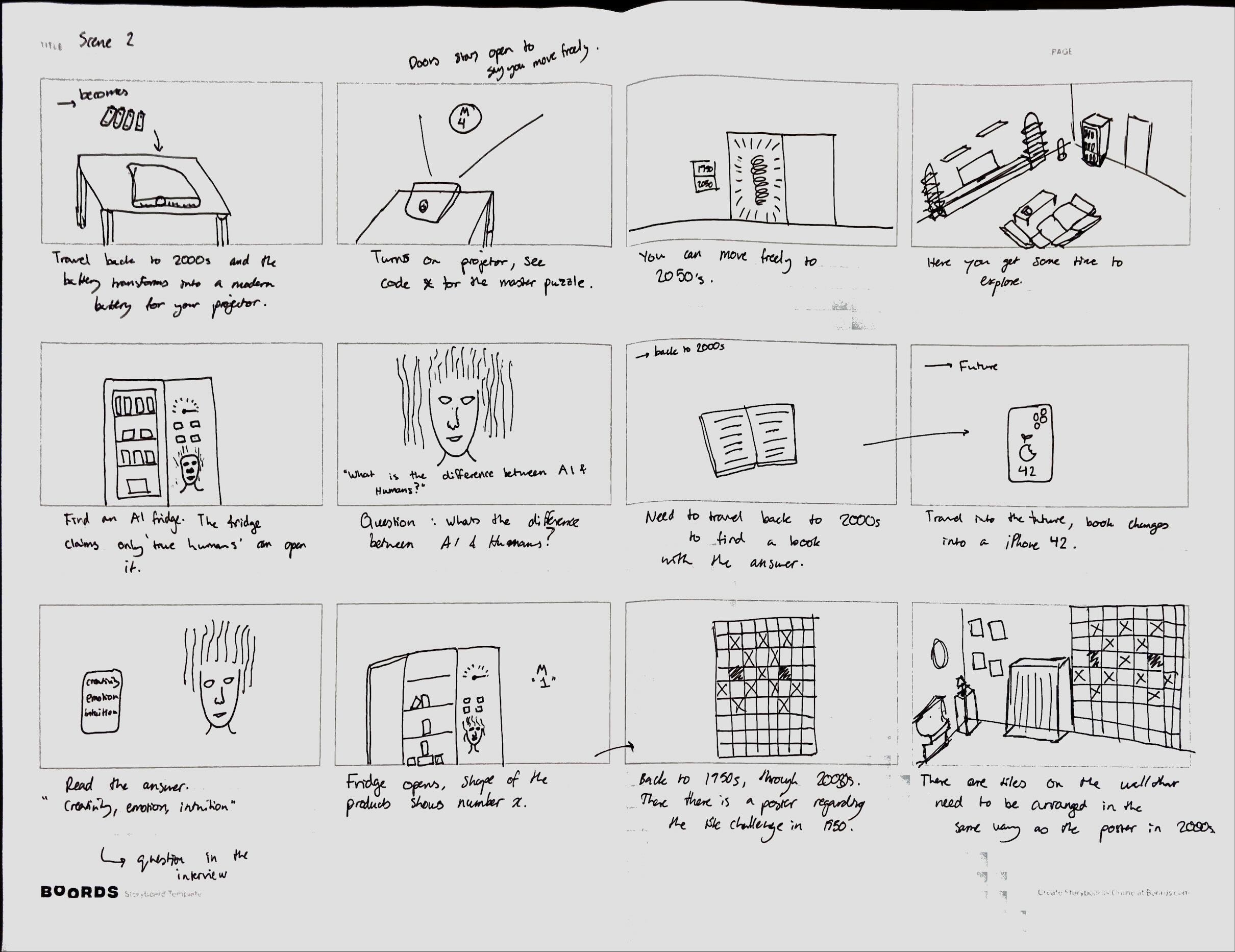
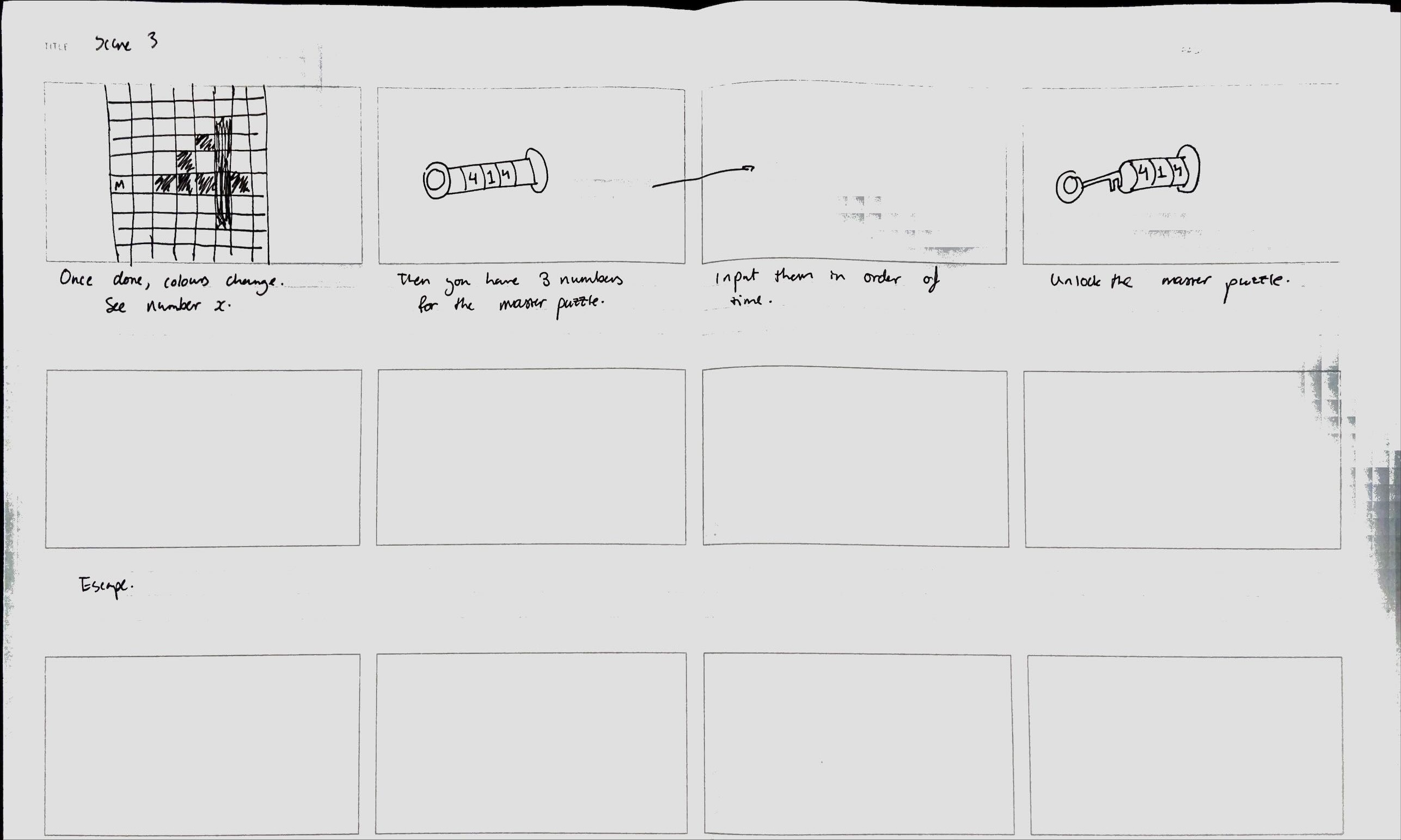
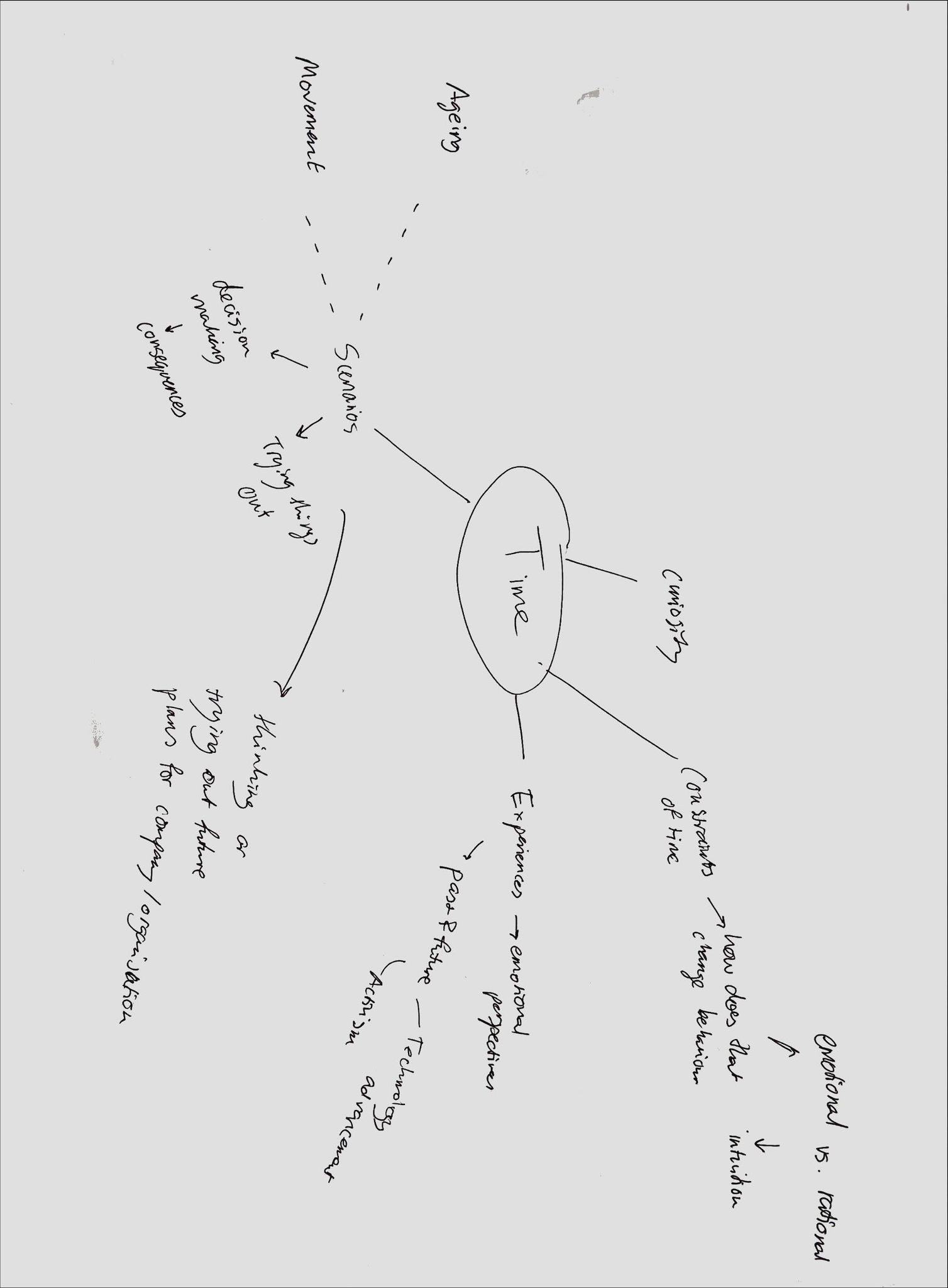
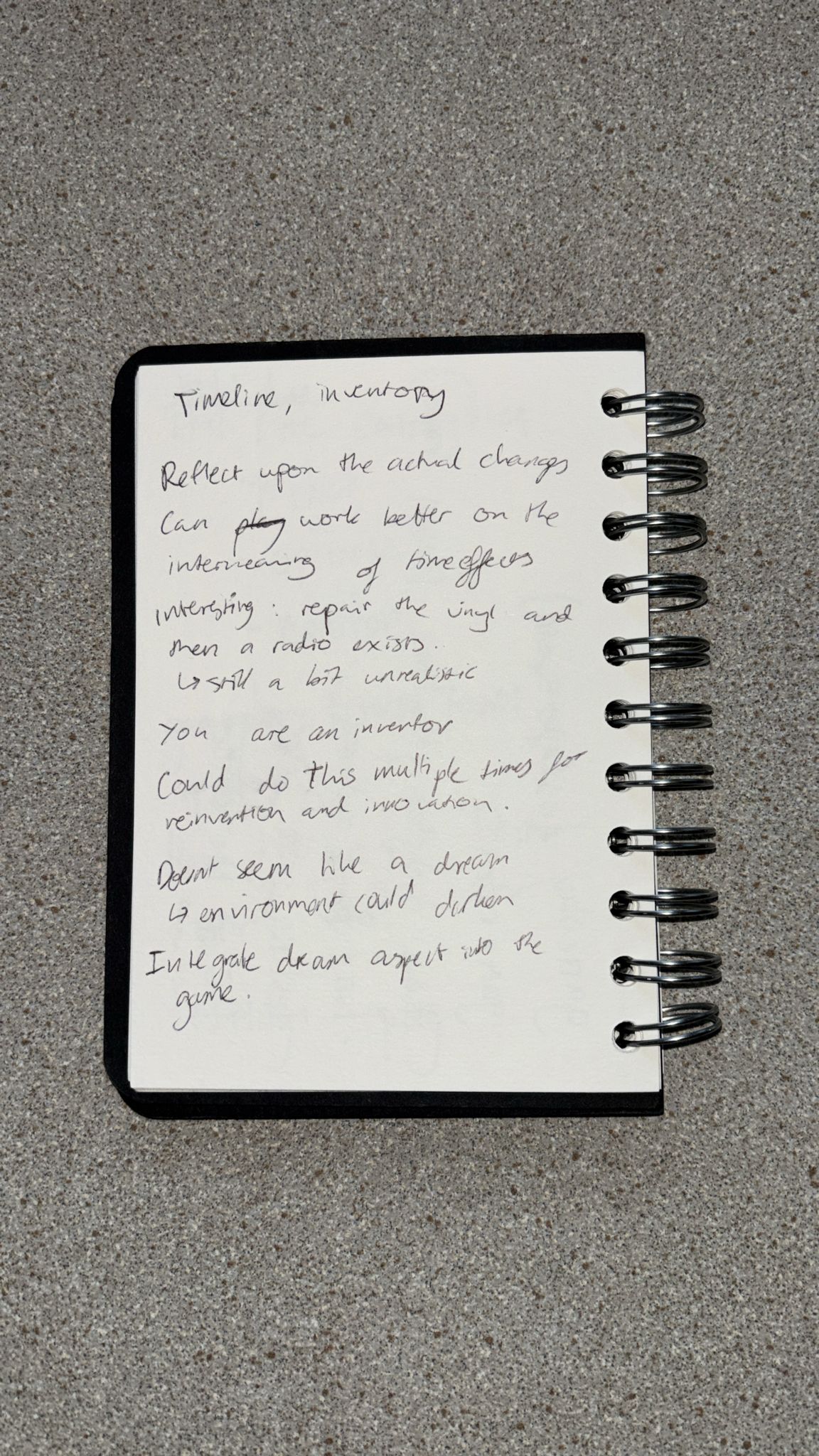
Within CBL3, designing the whole game in Unity was whole process in itself. Having decided as a group that there would be three rooms (the living room) in three different decades, which are the 1970s, 1990s and 2020s. I first had to research living room designs, household items, and colours used which were predominantly used in the past, to be able to portray them correctly without the need of mentioning the time frame explicitly in the game. Afterwards, I sketched out and helped my group mate model simple layout of how the living room would look like. This quick iteration allowed me to develop further our group objective and start designing the rooms in Unity. I contributed actively during the brainstorming phase, played a key role in designing and create storyboards of our games intention.
Within the course of AOI, I was able to learn and implement in our groups prototype different concepts like Soma design, Affordances, Frogger Framework and Experience Prototyping.
Reflecting on my development, I have learned valuable skills and experience as a designer. One is that, research is an important aspect to do all the time, to be able to understand the design context you are within. Also, how different forms, materials and colours communicate a variety of intentions to the user. All these experiences have helped me be proficient designer for future projects.











(02) USER & SOCIETY
This area was developed in CBL3, AOI, DIM and my business electives courses.
In CBL3, User testing was valuable for my development because observing players struggle with elements I assumed were “clear” helped me understand the importance of designing for clarity rather than assumption. With the feedback I was to make improvements between the first and second user tests, which clearly demonstrated how our iteration improved usability and flow of the player. Working on the game forced me to reflect since every interaction, sound, animation, or puzzle had different impact on each player and also different result in the different rooms in the game. User testing showed me how small usability issues (unclear prompts, missing feedback) can completely block player progress. In which I try to continuously apply HCD principles in the game for users to have clarity when interacting.
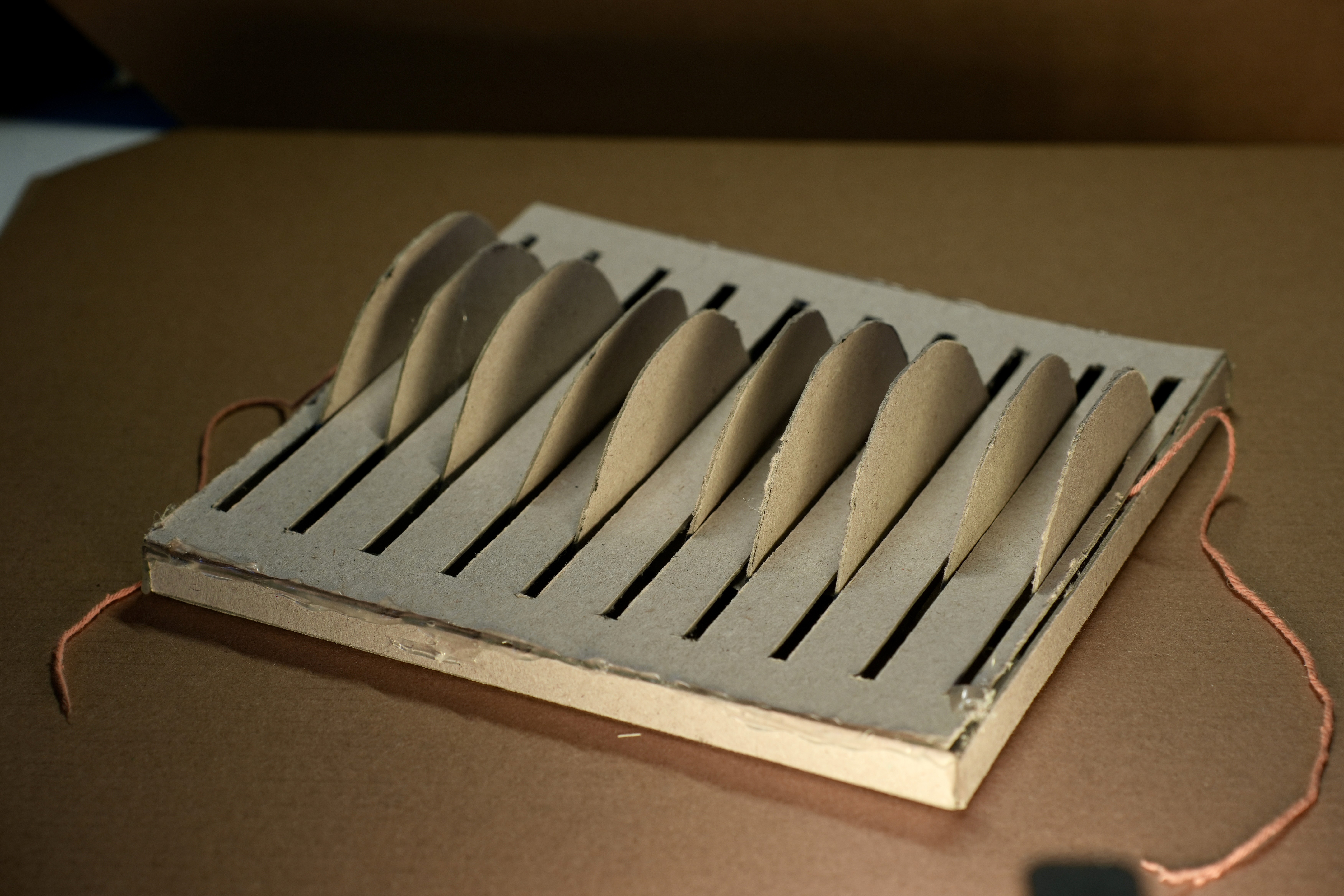
In AOI, removing all commonly used feature like buttons, potentiometer, switches etc, helped us shift and limited how our prototype should be used by the stakeholders. By having our prototype have the form of a wave, be coloured in different shades of blue and have a circular form. We intentionally designed without obvious Affordances since we wanted the interaction to feel natural, not obvious. An intuitive and natural user interaction. In DIM and my business electives, learning about a variety of tools and methods was crucial for me this year, since it taught me to use certain methods of research if you want a specific answer, the importance of using science backed questionnaires which have already been created, to always include scientific references, networking and to use the resources available to you as an advantage.
Reflecting on this and moving forward, I want to keep using these tools/methods to improve on them further and build experience.
(03) TECHNOLOGY & REALIZATION
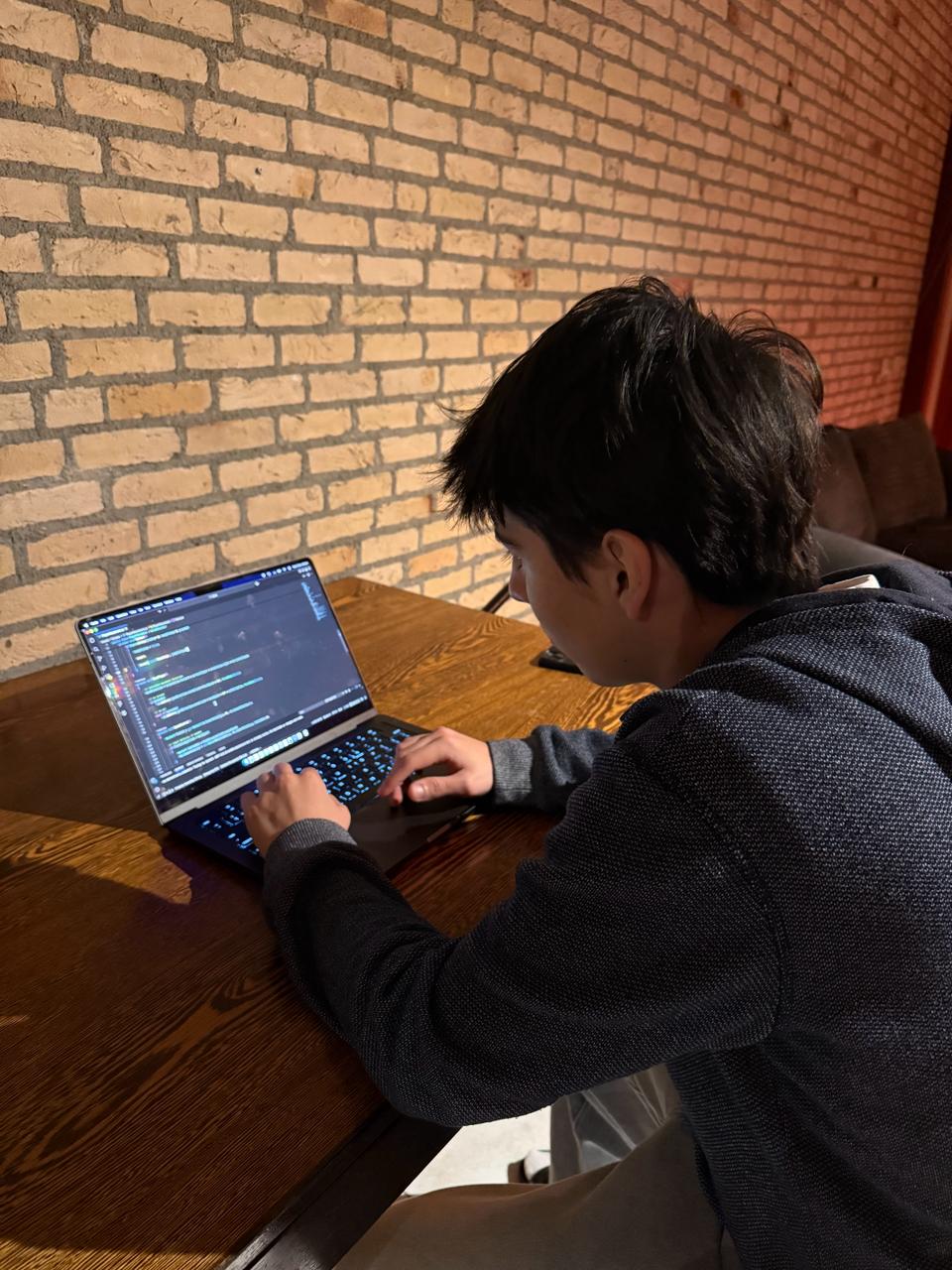
This area was developed through a mix of coding, electronics and learning new software’s.
I was able to apply the knowledge from last year into my CBL3 when coding for my Unity game. At first, I had no experience with Unity and realising that there was not much help provided by the coaches and little time, I went to TOTEM Unity workshops, I reached out to leader of TOTEM and asked him if our concept of our game and the ideas we had were possible to do and just watched lots of YouTube videos.
I used my knowledge from last year’s CBL2 of creative electronics in my AOI prototype, since I took on the responsibility on writing and implementing the electronic components inside our prototype.
I have developed further this area with extracurricular activities outside TU/e, like using Autodesk to learn how to design better in Fusion 360.
Also having chosen to the digital twin for my multidisciplinary CBL, I have learned how to use MATLAB with Simscape/Simulink to create a 3D model simulation of our physical prototype.
Reflecting on this, I have developed further my skills and learned how different these software’s can be used in a variety of projects.




(04) MATH, DATA & COMPUTING
This expertise area was kind of developed in this year, since I had to retake both Calculus V1 and Physics.
Even though I haven’t passed Calculus and Physics yet, the experience has helped me grow. I used the SMART method to reflect on my progress and set practical goals, like solving past exams, checking my mistakes, and setting deadlines. It taught me to stay accountable and view math not just as a subject, but as a mindset of structure, reflection, and persistence—qualities that support every part of the design process.
(05) BUSINESS & ENTREPRENEURSHIP
This area of has been the most developed this year for me.
Haven done DIM and chosen three electives that focus on business processes and entrepreneurship, I learned how to design organizational systems that improve efficiency while considering stakeholders, scalability, and business value. I learned to approach problems from an industrial engineer perspective and be able to apply a structured design cycle to optimize performance in a manufacturing context.
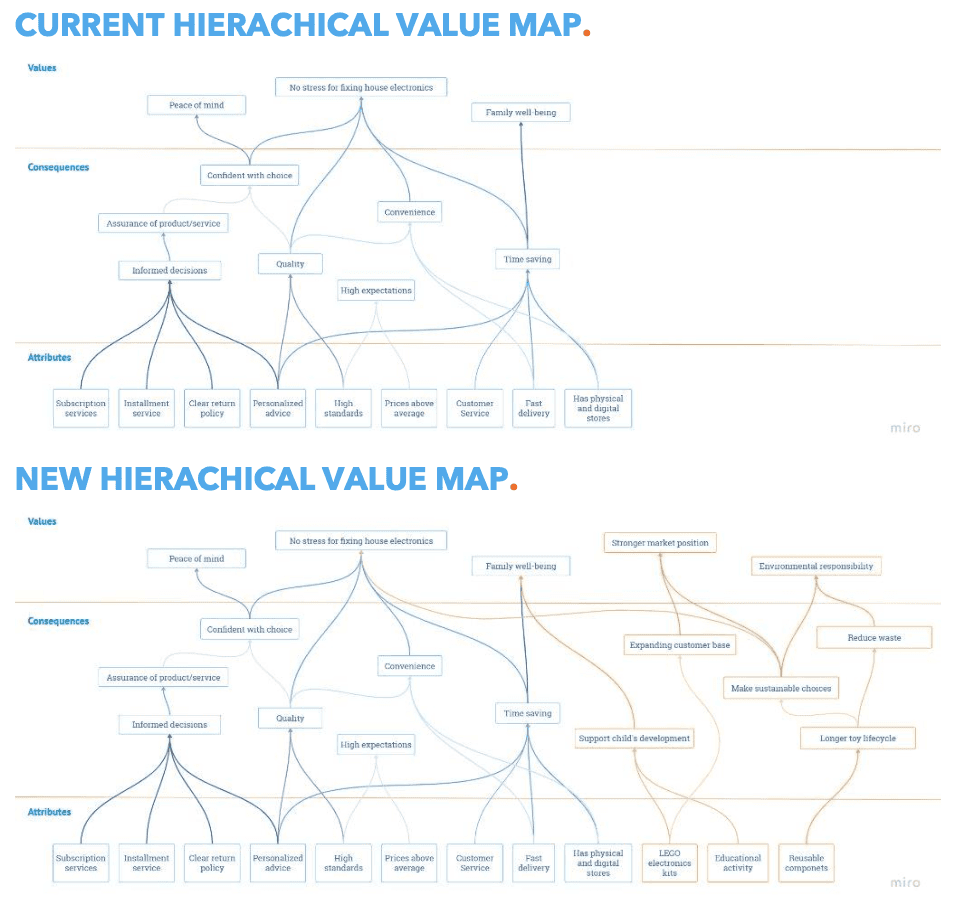
I also learned how to use and apply tools such as Lean Canvas, personas, interviews, market analysis, value proposition canvas, PESTLE, Competitive Profile Matrix, Strategy canvas and value curve, Hierarchal value map, Future cone with PESTLE and etc to validate ideas. These tools helped me to identify opportunities and distinguish between value creation, delivery and capture by teaching and reminding me to always make design decisions based on evidence rather than assumptions.
I developed these further by applying them in a CBL by validating the business model of Team SOLID, while actively engaging with stakeholders, pitching our progress weekly and testing desirability and feasibility of our service. I had taken on the coordination role, planning team progress and supporting decision-making in the group.
Reflecting on this, these experiences have strengthened my ability to be able to bridge design, technology and business. In which for my future career, this allows me to position myself not only as a designer, but as someone who can translate ideas into viable, real-world solutions, and contribute to roles involving project management, strategy, and multidisciplinary collaboration in future projects/work.


DESIGN & RESEARCH PROCESSES
My approach has become more iterative and user-centred because I no longer rush into solutions/projects, now I take time to research, ideate, prototype, reflect and analyse to see which is the best way to approach it.
In P1, I focused more on functionality and P2, I focused more on emotional and social value. Now with P3, I started combining low-fi and high-fi prototypes, conducting structured user tests, and grounding my work in design theories (e.g., affordances, feedback loops).
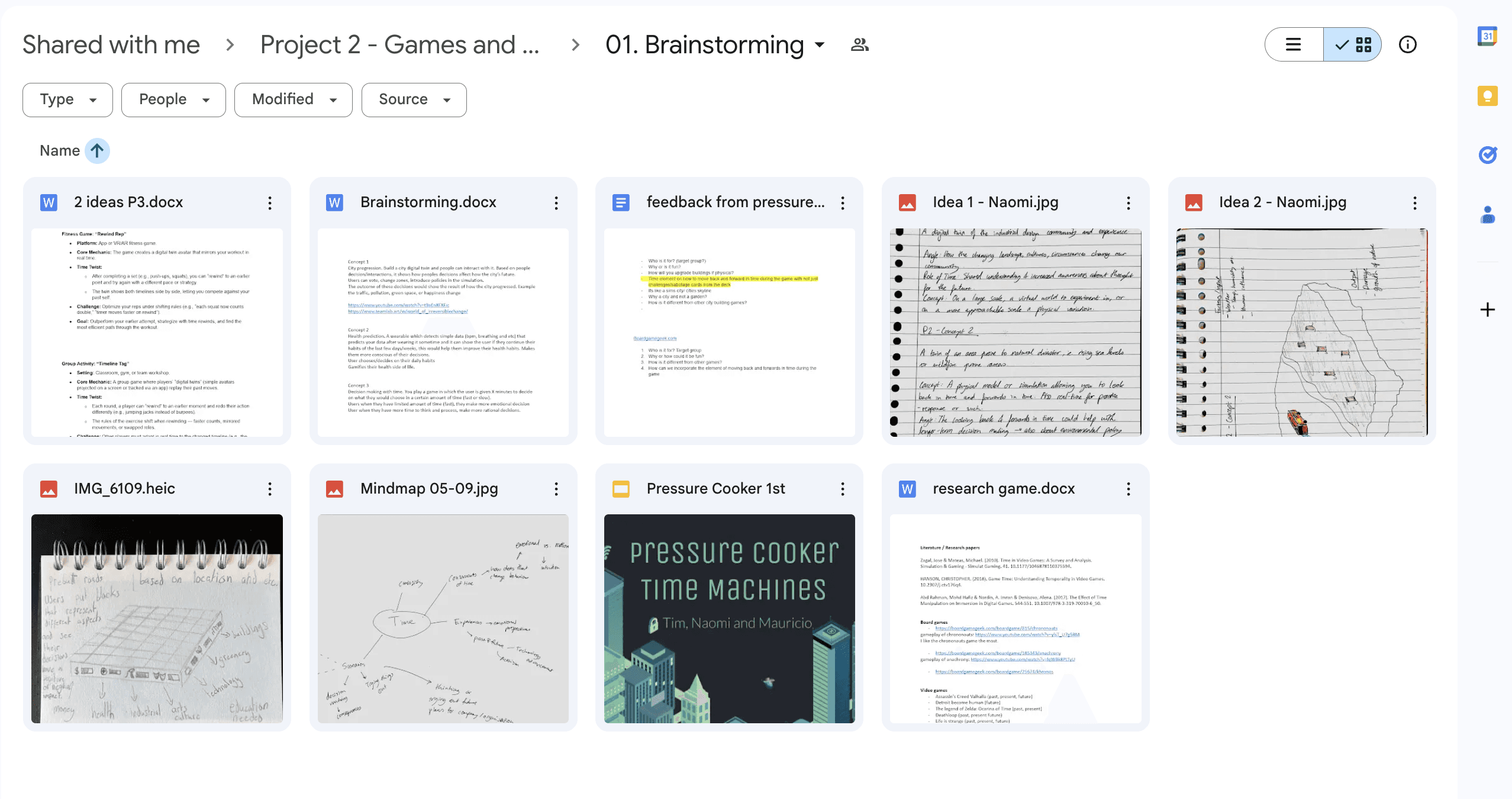
In Project 3 in the games and play squad, as a group we are using the Iterative Design Process which is improving products through short iterations. It consists of brainstorming, prototyping and testing designs at each step of the way. It is very user experience centred approach, with an especially heavy emphasis on usability testing, user interviews and rapid prototyping to gain feedback on user experiences. This approach helped us develop faster and better when approaching the deadlines.